

Over 80 percent of british homeowners plan to refresh their interiors in the coming year, yet few anticipate how dramatically trends for 2025 are shifting. Choices in colour, materials, and home technology are all changing, pushing design beyond simple style into expressive comfort and effortless tech. Understanding where british interiors are headed helps you transform your space into something that feels both current and uniquely yours.
Table of Contents
- Defining Interior Design Trends For 2025
- Emerging Colours And Material Palettes
- Sustainable And Eco-Friendly Innovations
- Smart Home Technology And Design Integration
- Practical Applications For Dorset Properties
- Common Pitfalls And What To Avoid
Key Takeaways
| Point | Details |
|---|---|
| Evolving Design Trends | In 2025, interior design focuses on personalisation and the emotional resonance of spaces, moving away from minimalist aesthetics towards textured, expressive interiors. |
| Rich Colour Palettes | The colour schemes for 2025 feature bold, immersive hues and earthy tones, enhancing the emotional depth of living spaces and fostering a connection to nature. |
| Technology Integration | Smart home technologies are now seamlessly integrated into interior design, enhancing functionality while maintaining aesthetic appeal and promoting user comfort. |
| Sustainable Practices | Sustainable design principles are central in 2025, emphasising eco-friendly materials and solutions that prioritise environmental responsibility and holistic well-being. |
Defining Interior Design Trends For 2025
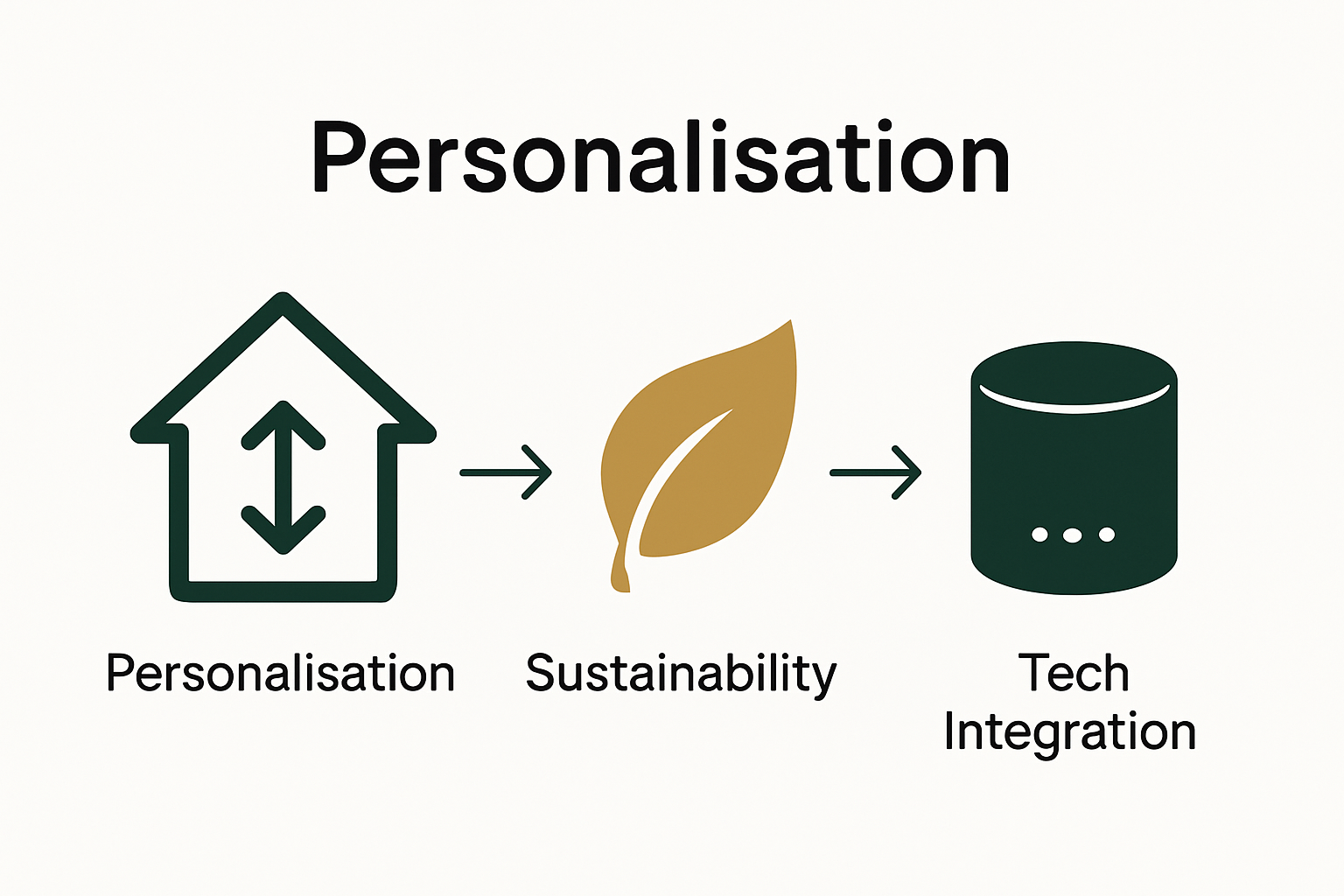
Interior design is evolving into a sophisticated narrative of personalisation, technology, and sensory experience. The 2025 landscape reveals a profound shift from minimalist aesthetics towards more expressive, textured interiors that blend functionality with emotional resonance. Contemporary design trends are increasingly about creating spaces that tell a unique story while incorporating cutting-edge technological integration.
The emerging palette for 2025 embraces rich, immersive colour schemes that reflect a bold departure from previous years’ neutral tones. Vogue’s design insights highlight the resurgence of sumptuous velvets and contemporary flame stitch patterns, with jewel tones like deep yellow emerging as statement colours. These vibrant textiles and colours are not merely decorative but serve as emotional anchors, transforming living spaces into dynamic, personalised environments.
Technological sophistication is another critical trend defining 2025’s interior design landscape. Smart home technologies are no longer peripheral additions but seamlessly integrated design elements. Forbes research indicates a growing preference for design solutions that incorporate advanced technological features while maintaining aesthetic elegance. Key characteristics include:
- Intelligent lighting systems with customisable colour temperatures
- Voice-activated environmental controls
- Discreet charging stations and wireless connectivity
- Biophilic design elements with integrated environmental monitoring
These trends reflect a holistic approach to interior design, where technology, personal expression, and sensory comfort converge to create truly transformative living spaces.
Emerging Colours And Material Palettes
The 2025 interior design colour palette represents a bold departure from previous minimalist approaches, embracing rich, expressive hues that communicate emotional depth and personal narrative. Authentic Interior highlights a significant trend towards vibrant primary colours and intricate hand-painted details, signalling a move away from sterile, uniform design towards more personalised and artistically nuanced spaces.
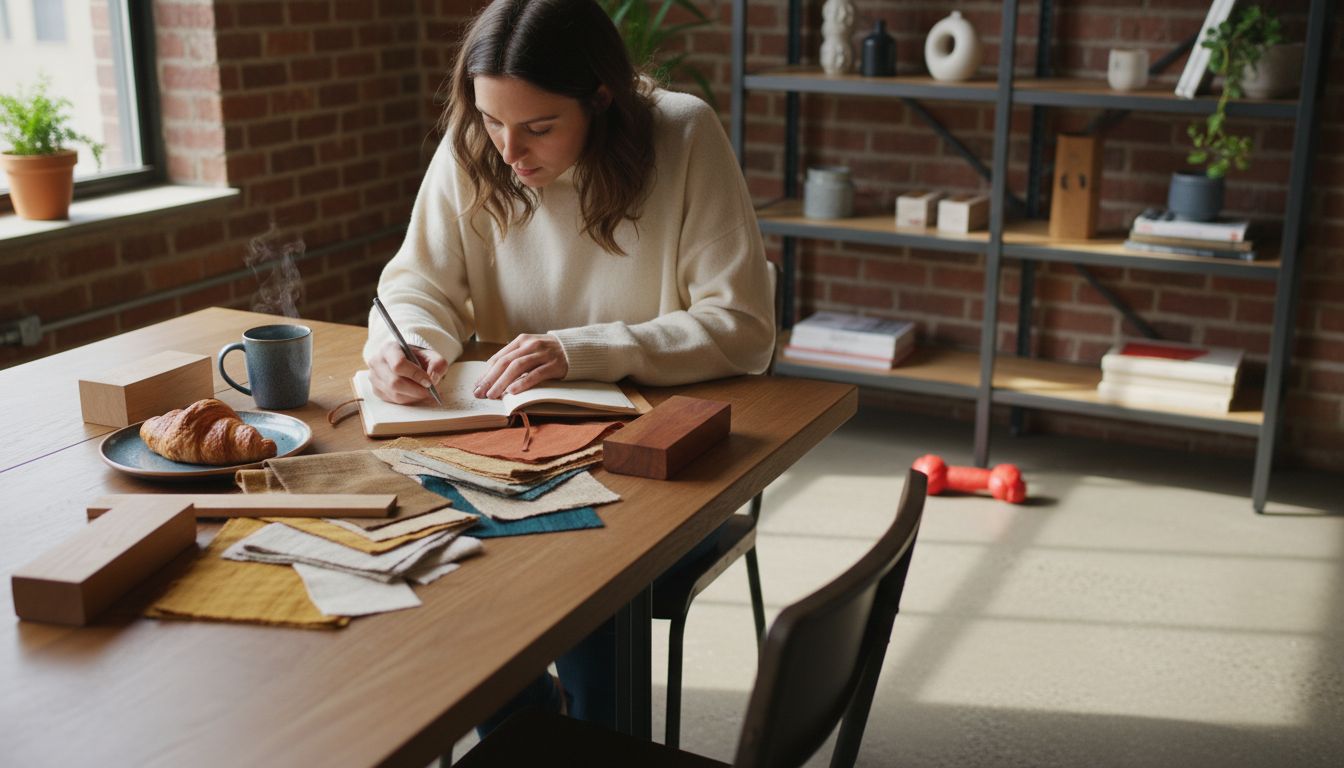
Earth-inspired tones are emerging as a cornerstone of contemporary design, with natural colour palettes dominated by sophisticated shades like terracotta, olive green, and warm clay. These colours reflect a deeper connection to natural environments, creating interiors that feel grounded, serene, and inherently calming. The integration of these colours goes beyond mere aesthetic choices, representing a broader design philosophy that prioritises harmony between indoor spaces and the natural world.
Material selection in 2025 is equally thoughtful, with designers prioritising authenticity and sensory experience. Key material trends include:
- Natural wood surfaces with pronounced grain patterns
- Stone and marble elements with unique veining
- Textured textiles in earthy, organic tones
- Handcrafted ceramics and artisanal surface treatments
These materials are not just decorative choices but statements of sustainability, craftsmanship, and individual expression, transforming interior spaces into deeply personal environments that tell a unique story.
Sustainable And Eco-Friendly Innovations
The sustainable design revolution in 2025 represents a profound transformation in interior design philosophy, where environmental responsibility becomes intrinsically linked with aesthetic excellence. Energy-efficient technologies are no longer peripheral considerations but central elements of modern interior design, integrating seamlessly into living spaces to reduce environmental impact while enhancing functionality.
Home wellness has emerged as a critical dimension of sustainable design, with innovative interior approaches prioritising human health and environmental harmony. These spaces are meticulously crafted to promote physical and mental well-being, incorporating natural elements that create holistic living environments. Key sustainable design strategies include:
- Solar panel integration with aesthetic architectural elements
- Smart home systems that optimise energy consumption
- LED lighting solutions with customisable colour temperatures
- Indoor plant installations that improve air quality
- Recycled and responsibly sourced material selections
Beyond technological innovations, sustainable design in 2025 embraces a comprehensive approach that considers the entire lifecycle of interior elements. Materials are selected not just for their aesthetic appeal, but for their environmental credentials, durability, and potential for future recycling or repurposing. This holistic perspective transforms interior spaces from mere visual statements into profound expressions of environmental stewardship and conscious living.
Smart Home Technology And Design Integration
The landscape of interior design in 2025 is being fundamentally reshaped by intelligent technology that seamlessly blends functionality with aesthetic sophistication. Smart home systems are evolving beyond mere gadgetry, transforming into intuitive design elements that anticipate and respond to inhabitants’ needs with unprecedented precision and elegance.
Modern homes are increasingly becoming living ecosystems where technology and design coexist harmoniously. These intelligent environments feature integrated systems that go far beyond traditional automation, creating spaces that adapt, learn, and respond to individual preferences. Key technological innovations include:
- Voice-activated environmental controls
- Adaptive lighting systems that adjust to circadian rhythms
- Embedded sensors monitoring air quality and temperature
- Seamless wireless charging stations
- Concealed smart displays that activate only when needed
The true revolution lies in the invisibility of technology – design elements that perform advanced functions while maintaining aesthetic integrity. These innovations are not about showcasing technological prowess, but about creating intuitive, responsive living spaces that enhance human comfort, well-being, and efficiency. Technology becomes an invisible partner in design, working silently to create environments that are simultaneously intelligent, beautiful, and profoundly human-centric.
Practical Applications For Dorset Properties
Dorset’s unique architectural landscape demands a nuanced approach to interior design that respects regional character while embracing contemporary trends. Redesigned dining spaces are becoming pivotal in local properties, transforming traditional rooms into versatile gathering areas that reflect the county’s social and cultural dynamics.
The region’s coastal and rural environments provide exceptional inspiration for interior colour palettes and design strategies. Natural colour schemes featuring earthy tones like terracotta and olive green harmonise beautifully with Dorset’s distinctive landscape, creating interiors that feel simultaneously sophisticated and contextually rooted. These design approaches are particularly effective in:
- Holiday let properties in the New Forest
- Coastal homes in Bournemouth and Poole
- Rural cottages in the Dorset countryside
- Period properties requiring sensitive modernisation
- Contemporary builds seeking local character
Understanding local architectural nuances is crucial for successful design implementation. Dorset properties range from historic stone cottages to modern seafront developments, each requiring a tailored design approach that respects structural integrity while introducing contemporary design elements. Boutique interior design for homes in this region is about creating spaces that feel both timeless and thoroughly of-the-moment.
Common Pitfalls And What To Avoid
Navigating interior design trends requires a nuanced understanding of what to embrace and what to carefully sidestep. Minimalist design approaches are rapidly evolving, with pure white walls and overly simplistic spaces becoming outdated, replaced by more dynamic and personalised interior expressions that reflect individual character.
The critical mistake many homeowners make is treating design as a static concept rather than an evolving narrative. Wall treatments are particularly important, with plain surfaces being strongly discouraged in favour of textured, detailed coverings that add depth and visual intrigue. Key design pitfalls to avoid include:
- Defaulting to monochromatic white colour schemes
- Neglecting texture and layered design elements
- Overlooking the importance of personalisation
- Implementing technology without aesthetic consideration
- Ignoring the unique characteristics of your specific space
Successful interior design in 2025 is about creating environments that feel both intentional and organic. It requires a delicate balance between following contemporary trends and maintaining a sense of individual authenticity. Professional interior design advice can help navigate these nuanced design challenges, ensuring your space remains both stylish and genuinely reflective of your personal aesthetic.
Elevate Your Dorset Home with 2025’s Interior Design Trends
The shift in interior design towards personalised, textured, and technologically integrated spaces presents exciting opportunities for homeowners and property investors in Dorset. You may be seeking to move beyond tired neutral palettes and impersonal layouts to create a home that truly reflects your story while embracing the latest innovations like smart lighting, rich natural hues, and sustainable materials. Addressing these evolving demands requires expert guidance to balance contemporary trends with your property’s unique character.
Discover practical solutions tailored for your home by exploring insightful advice on our Interior Design Advice page.

Transform your Dorset property into a sophisticated and highly functional living space with the bespoke expertise of Coral Interiors. With over a decade of experience in creating high-quality, personalised interiors for residential homes and boutique holiday lets, we help you avoid common pitfalls like uninspired colour schemes and poorly integrated technology. Act now to unlock the full potential of your property by visiting Coral Interiors and take the first step towards a home that combines timeless elegance and modern innovation. For guidance that truly respects your space and style, start with our detailed Interior Design Advice and get in touch to book your consultation today.
Frequently Asked Questions
What are the key interior design trends for 2025?
The key trends for 2025 include personalised spaces that blend functionality with emotional resonance, a shift towards rich colour palettes featuring jewel tones and textured fabrics, and the integration of smart home technologies that enhance both aesthetics and usability.
How can I incorporate sustainable design into my home in 2025?
To incorporate sustainable design, focus on using environmentally friendly materials, such as recycled or responsibly sourced options. Integrating energy-efficient technologies, like smart home systems and LED lighting, can significantly reduce your environmental impact while enhancing living comfort.
What colours are trending in interior design for 2025?
The 2025 colour trends feature rich, immersive hues such as deep yellow, terracotta, and olive green, signalling a shift away from minimalist neutrals towards more expressive and emotionally resonant choices that connect better with natural environments.
How do I effectively integrate smart home technology into my interior design?
To effectively integrate smart home technology, choose discreet devices that enhance the aesthetics of your space. Look for voice-activated systems, adaptive lighting, and embedded sensors that improve comfort and convenience without compromising on style.
Recommended
- 10 Minimalist Room Decor Ideas to Refresh Your Space in 2025
- Blog | Coral Interiors | Bournemouth Interior Designer
- The Art of Timeless Design: Creating a Home That Lasts
- Residential Interiors | Coral Interiors | Bournemouth Interior Designer
- 7 Smart Living Room Design Inspiration Ideas for All Spaces – Projector Display